Great Loop Route Map and Stop Strategy
Route maps are useful, but they can also trick people into thinking the Loop is a continuous sightseeing arc. In practice it is a chain of decisions about stop spacing, weather positioning, maintenance rhythm, morale, and which parts of the route deserve extra slack.
What a useful stop strategy includes
- Staging stops before exposed or annoying stretches.
- Reset stops with good groceries, laundry, service, or rest value.
- Optional scenic or social stops that do not destabilize the whole plan.
- Enough easy days that a weather delay does not wreck the emotional tone of the week.
Think in stop types, not just stop count
Staging stop
Positions you for an exposed run, lock sequence, bridge stretch, or awkward current window.
Reset stop
Delivers groceries, laundry, sleep, showers, and a chance to stop being a machine.
Reward stop
The kind of place that reminds the crew why the trip exists in the first place.
Why maps can mislead
A tidy route line hides the difference between an easy marina town, a stressful weather-sensitive jump, a stop with zero resupply value, and a high-friction arrival after a long day. That is why a good route plan is not just geography. It is sequencing logic.
A healthier map mindset
Think less about “covering the route” and more about building clusters of calm decisions. The best Loop routes often look less heroic and feel much better.
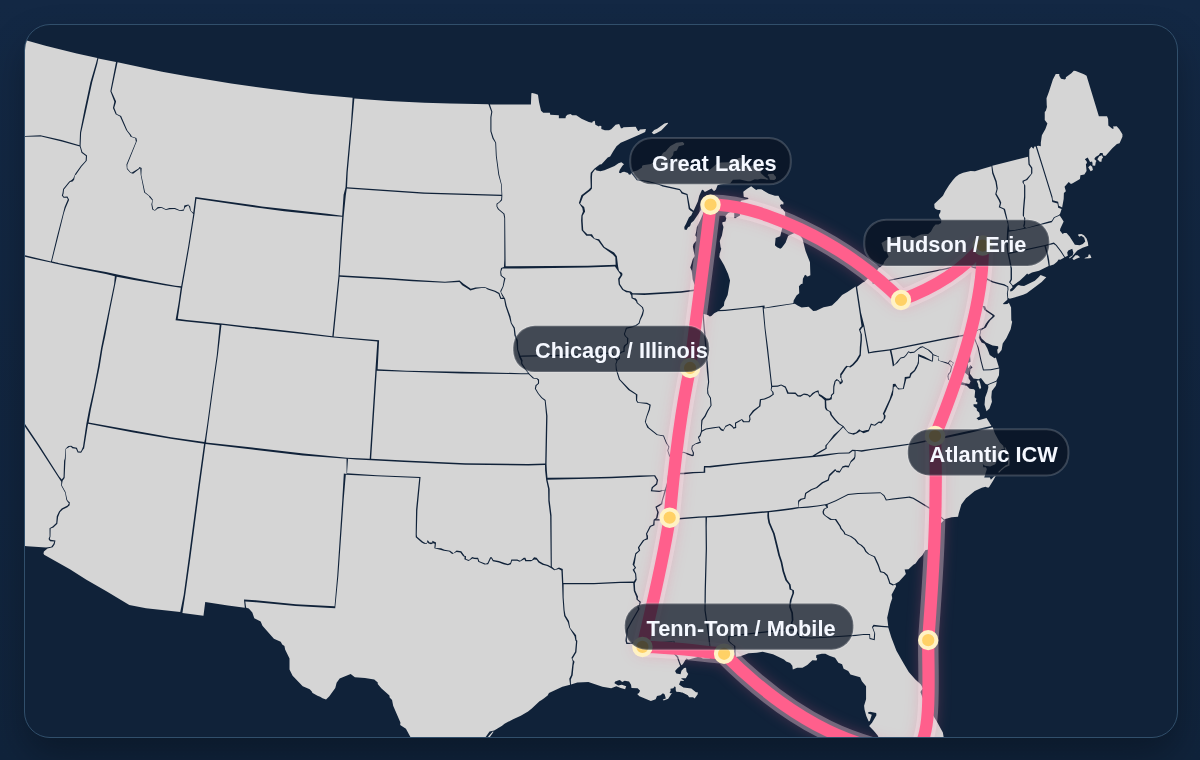
Use this with the Gold Loop, Platinum Loop, the Route Planner, and the new high-level route maps.
Common stop-strategy mistakes
- Using every stop as a mere fuel-and-sleep event instead of choosing some stops for recovery value.
- Overweighting famous places while underweighting the humble stops that make the next five days easier.
- Building a route that assumes the crew always wants to keep pressing forward.
- Treating a route adjustment as failure instead of normal seamanship and normal trip management.
Bottom line
The route gets easier when the stop sequence makes emotional and practical sense, not just chart sense.
Read next: Seasonal Timing, Weather-Window Decisions, and Pacing Without Burnout.
Using a route map for stop strategy
A route map should help the crew see clusters and gaps. The important question is often not which single stop is best, but where the next reliable cluster of fuel, repair help, groceries, and weather protection begins.
Use the map to identify decision points. Some stops are flexible until weather shifts; others are staging points before locks, open water, remote rivers, or reservation-heavy areas.
Planning checks
- Mark bailout stops before each exposed or long segment.
- Group stops by job: fuel, reset, protection, sightseeing, repairs, or staging.
- Watch for places where skipping one stop makes the following day too long.
- Update the route map after real travel days show your actual pace.
Publication notes
Written and maintained by TheCenterOf editors. Last reviewed: 2026-07-06. This page is planning guidance for boating and Great Loop readers. It is not a substitute for current charts, notices, marina confirmation, weather forecasts, official rules, professional advice, or onboard judgment.
Corrections, broken links, and first-hand route updates are welcome through the contact and corrections page.
Official sources to verify
Use this page as a planning framework, then verify current details before making route, safety, insurance, customs, or departure decisions.